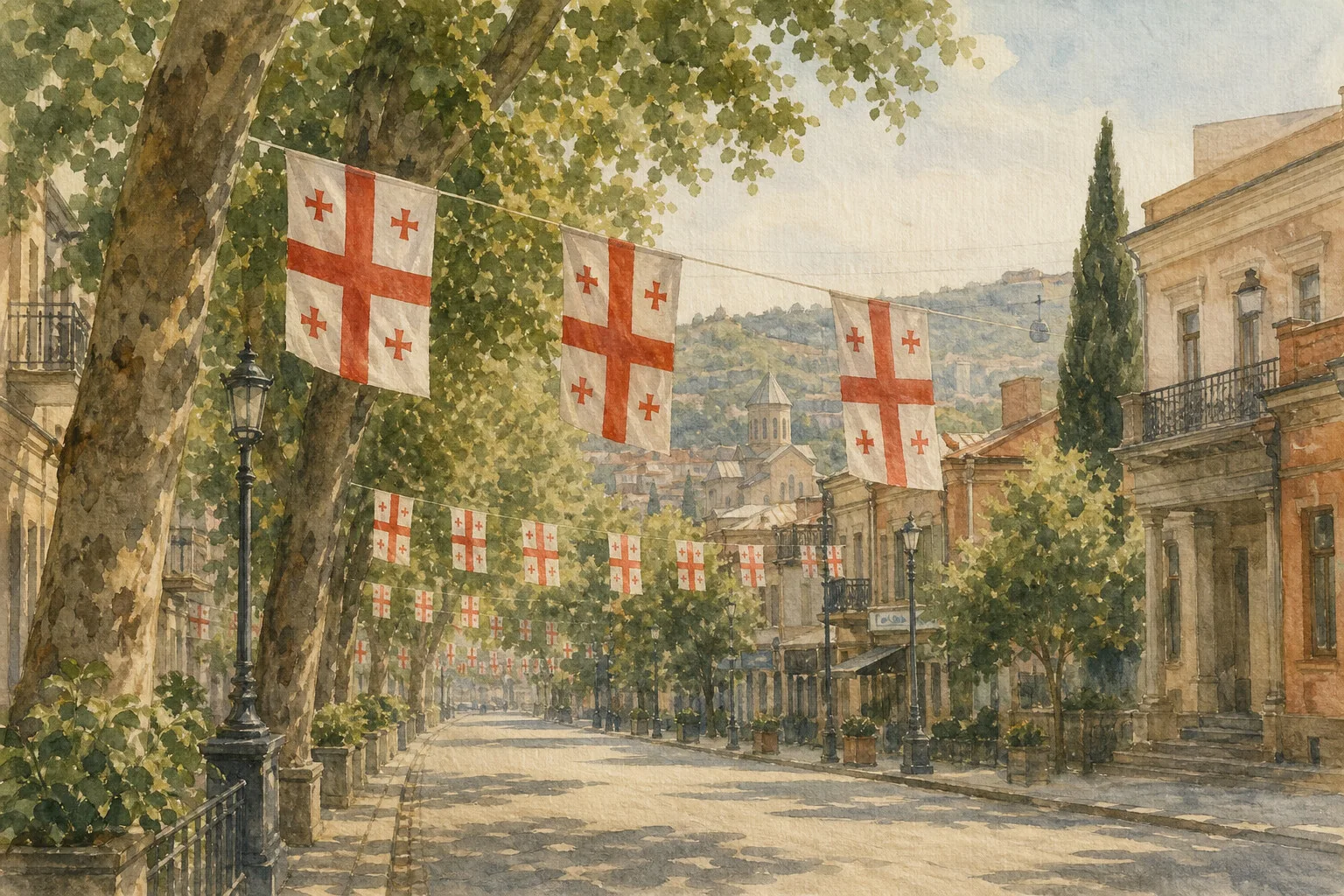


If you live in Georgia long enough, you will be invited to a supra. If you are dating or married into a Georgian family, you will be at one within weeks. The supra (literally “tablecloth”) is the Georgian feast, and it is the social event where Georgian culture compresses itself into a single evening.
This is what it actually is, written for someone walking into their first one.
What a supra actually is
At its simplest, a supra is a long, structured meal with a lot of food, a lot of wine, and a sequence of toasts given by a designated toastmaster. It happens for every meaningful occasion. Birthdays, weddings, funerals, holidays, the return of a friend who has been away, the safe arrival of a new baby, the simple fact that you happened to be in the village that day. There are also “spontaneous” supras that someone in the family decides at 4pm to organise for that evening.
A supra is not a dinner party. The meal is an instrument. The actual event is the toasting and the company. You are there to be present, to drink with the toasts, and to be part of a slow evening where the goal is connection, not efficiency.
Who sits where
In a traditional supra, seating matters more than people will admit. The head of the table belongs to the tamada, the toastmaster. Honoured guests sit close to him. Married women often sit clustered together. Younger men further down the table. Visitors from outside the family often opposite the tamada or directly to his right.
In a modern, urban supra in Tbilisi, much of this is loose. But the tamada’s seat is still the tamada’s seat, and you should not sit there unless you’ve been invited.
What’s on the table
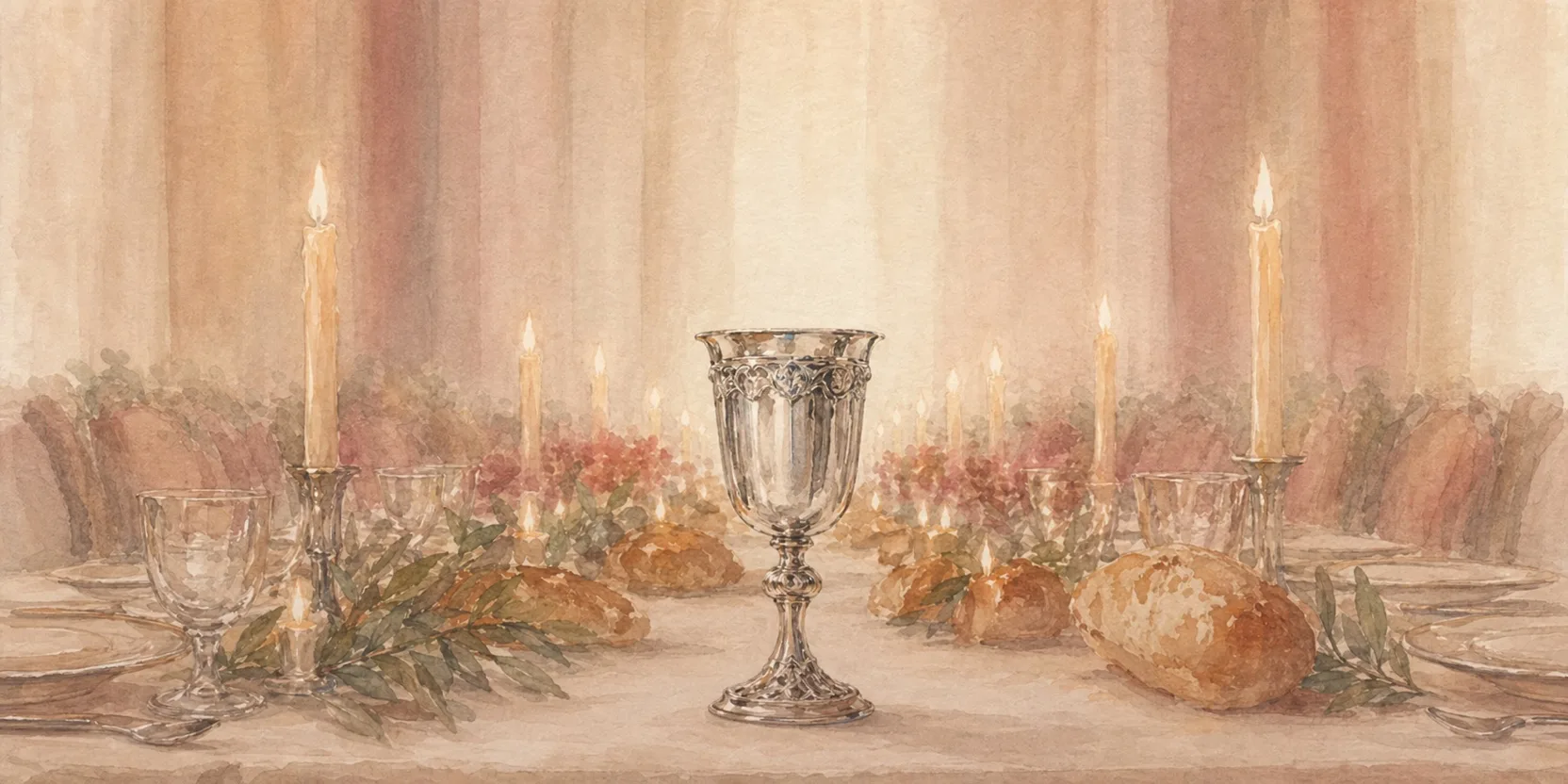
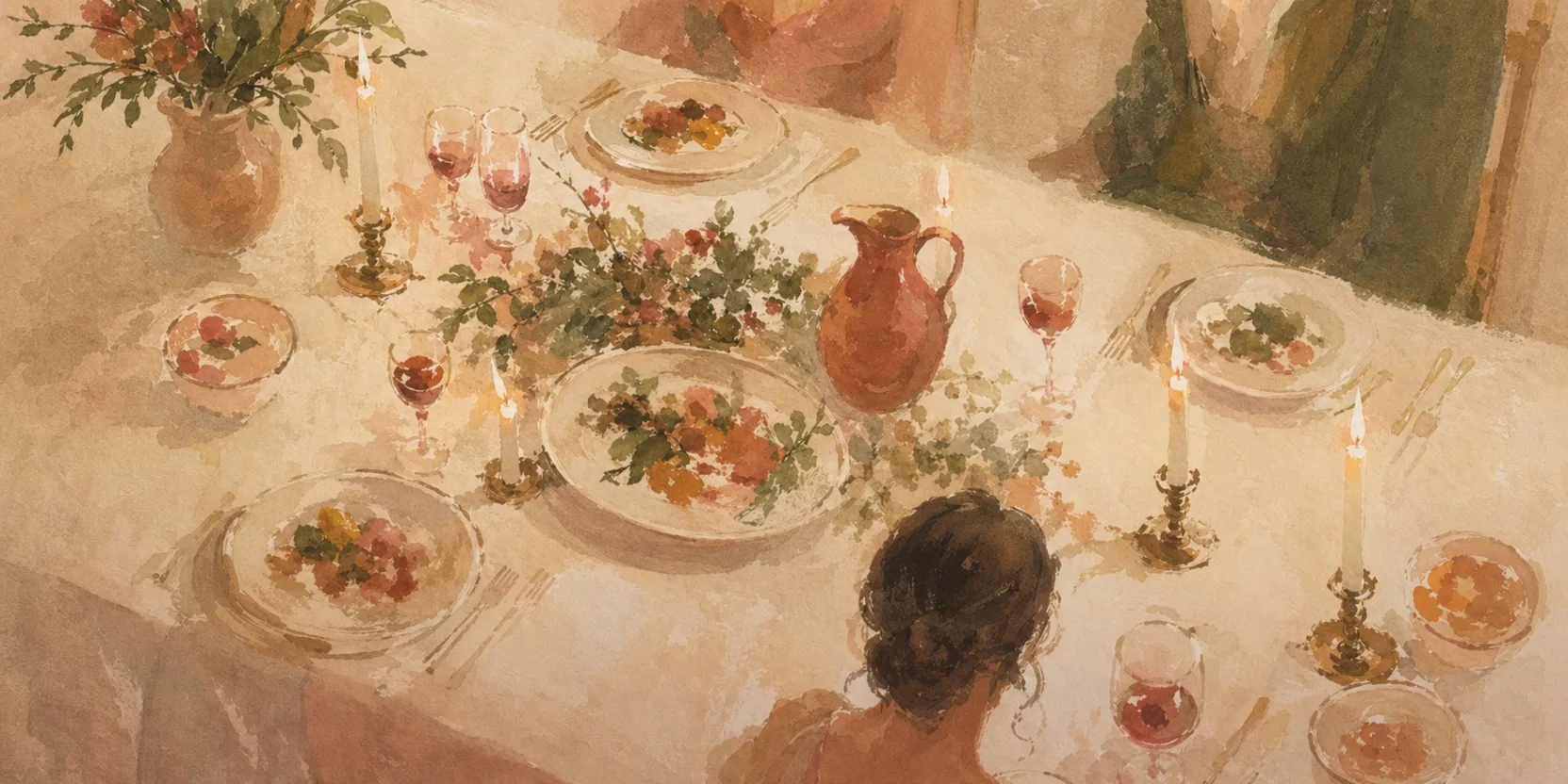
The food arrives in waves. The first wave is cold starters: walnut-paste-stuffed vegetables (pkhali), aubergine rolls with walnut paste (nigvziani badrijani), young cheeses, fresh herbs, lobio (bean stew), Georgian breads. These stay on the table for the rest of the night.
Then the hot mains: usually some combination of mtsvadi (grilled meat skewers), khachapuri (cheese bread), khinkali (dumplings), chakapuli (lamb stew with tarragon), and ostri (a hot beef stew). Plates pile on top of each other. Nothing is cleared until the very end.
Sweet dishes come after. Churchkhela (walnuts dipped in grape-must), seasonal fruit, sometimes a Georgian honey cake or a baklava-like dessert.
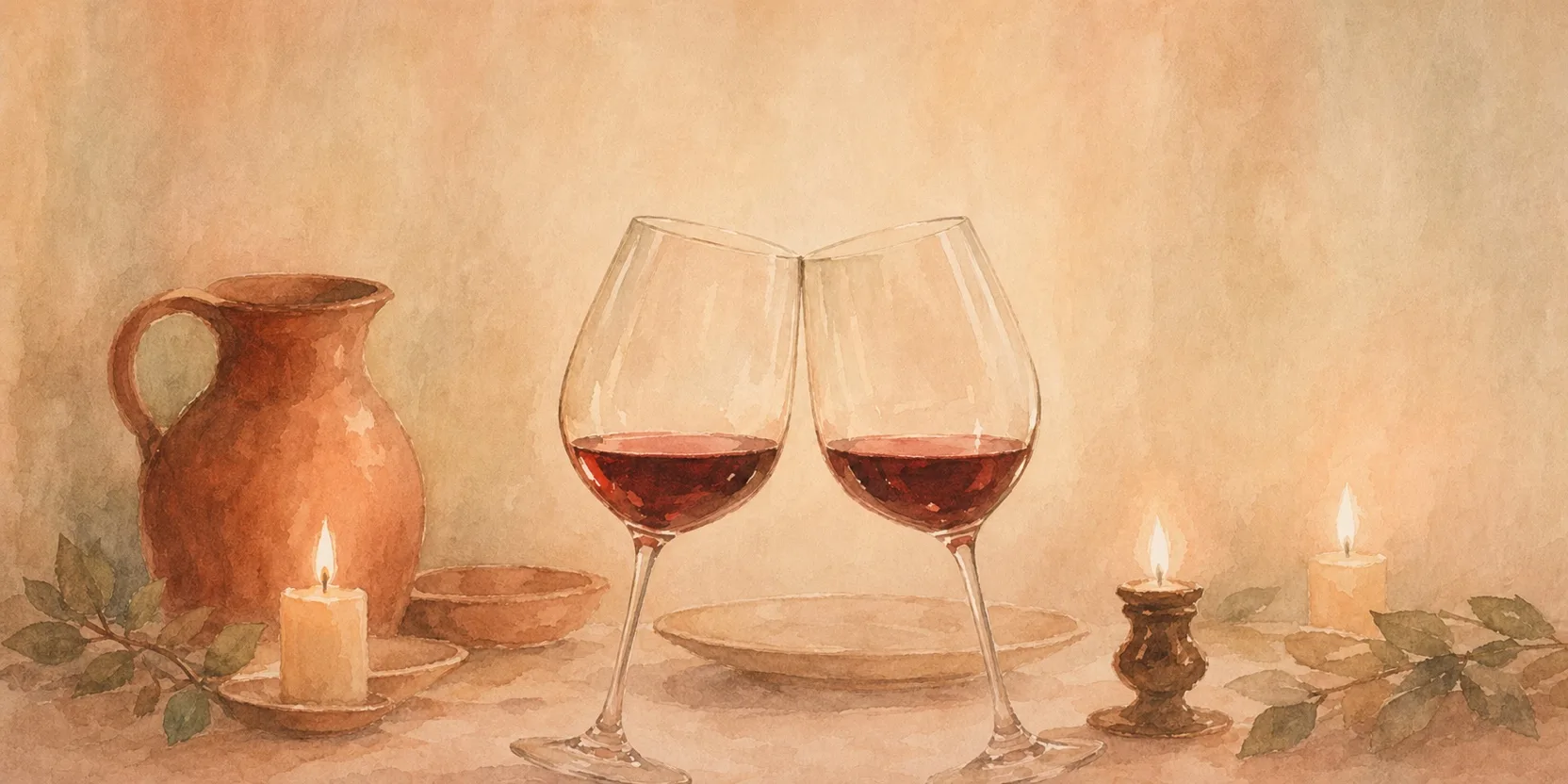
Throughout: wine. Almost always Georgian wine, often homemade, served from a pitcher. The wine is poured continuously and you should drink with the toasts.
How toasts work
The toasts are the spine of the evening. The tamada gives them, in a specific order, and there is a structure that’s centuries old.
A typical sequence:
- To peace.
- To this gathering and the host.
- To family. (Often parents and grandparents specifically.)
- To absent loved ones, including those who have passed.
- To children and the future.
- To the love between two people present.
- To the country, the homeland, the soldiers.
- To friendship.
- To women (often a long, eloquent toast).
- The tamada will close out, often elaborately.
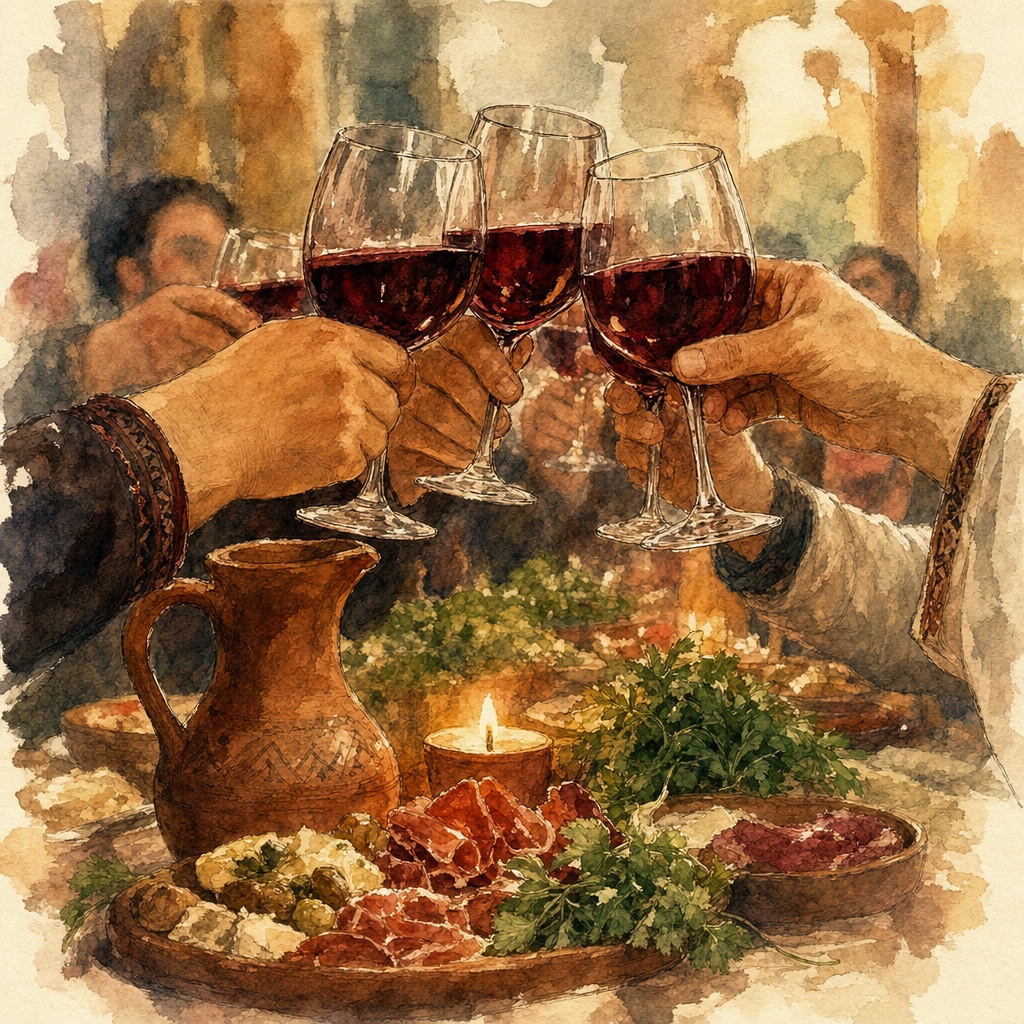
Each toast is a small speech, sometimes a paragraph long, sometimes ten minutes. After the toast is given, everyone raises their glass, says gaumarjos (“victory” / “to your health”), drinks together (often the whole glass), and conversation resumes until the next toast.
You don’t drink between toasts in a traditional supra. You drink with the toast.
What to do as a foreigner
A few rules that hold up:
- Sit where you’re put. Stay there until the tamada releases the table at the end.
- Drink with the toasts. Even if it’s a sip. Skipping a toast is read as disrespect to the subject of that toast.
- Don’t toast yourself. If you give a counter-toast (which is welcome and even expected of guests after a few rounds), make it about the host, the family, or someone else.
- Eat slowly. There is more food coming. There is always more food coming.
- Don’t try to leave early. A supra ends when it ends, often four to six hours in.
- Try a few words of Georgian. The bar for being praised is low and the warmth of the response is high.
- Bring a small gift if it’s a family gathering. Wine, flowers, sweets. Not a spreadsheet of cultural rules.
A few things that surprise people
- The chacha (Georgian grape brandy) usually shows up about two hours in, often as a competition of who can drink theirs in one shot. You can decline politely.
- Toasts to the dead are taken seriously. The most important rule: do not clink glasses with anyone during these toasts. You drink in silence, then refill afterward.
- Children are at the table. The supra is family, not adults-only.
- Singing happens. Often in three-part harmony, often startlingly beautiful. Even a quiet table can break into a polyphonic toast-song after the right round.
- The tamada may pull you in for a toast you weren’t expecting to give. Have one in your back pocket. Modi, shens janmrtelobas gaumarjos (“let’s drink to your health”) in a pinch.
A quick Georgian phrase set
For your first supra:
- gaumarjos (“to victory” / “cheers”), said with every toast.
- didi madloba (“thank you very much”), said often, especially to the host.
- gemrielia (“it’s delicious”), said about the food.
- shen genatsvale (“I would die in your place”), an extraordinary expression of love and gratitude that you can use sparingly.
That’s a Georgian supra. The food is genuinely the smaller half of the night. The actual point is sitting still long enough to be moved by what gets said over the wine.