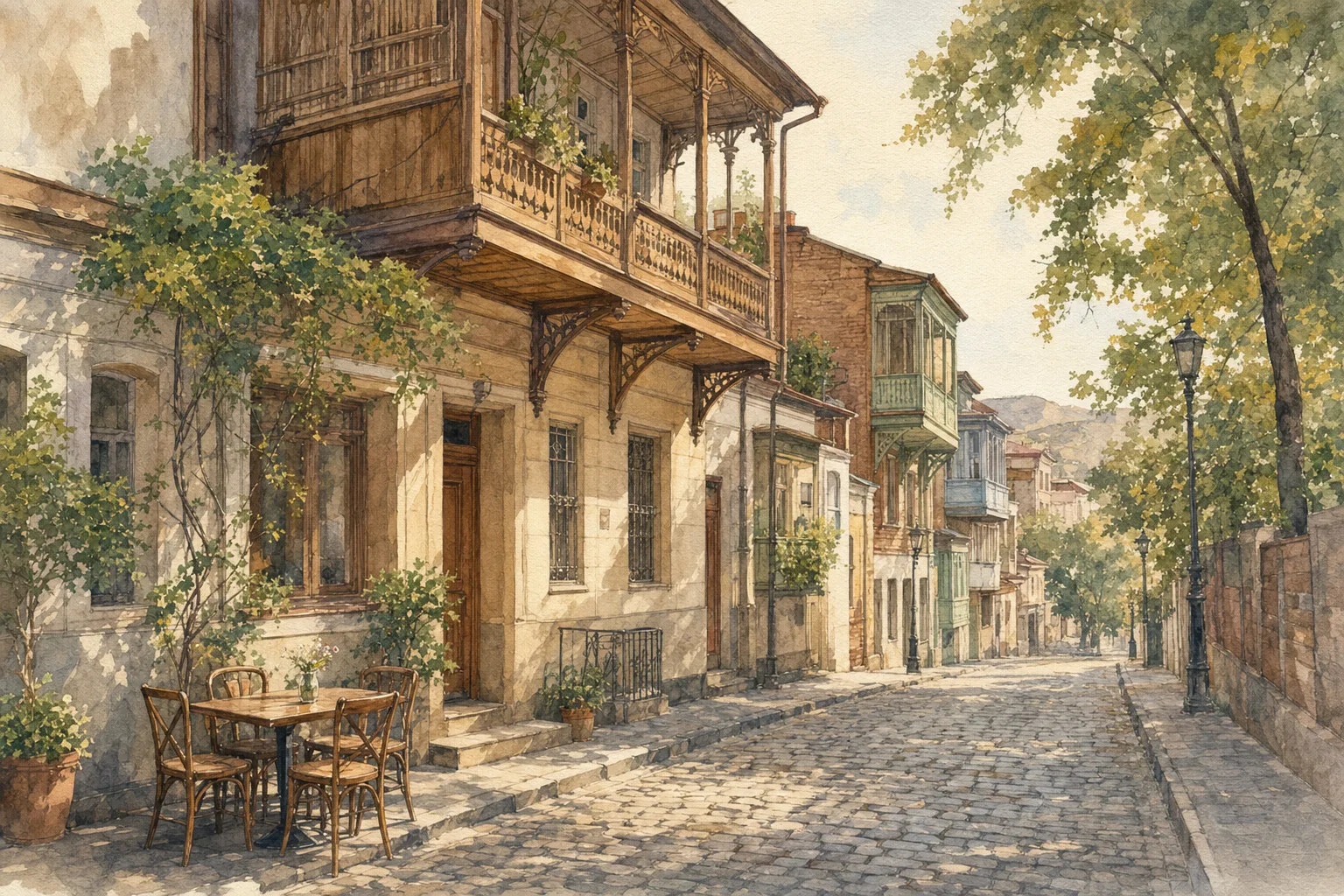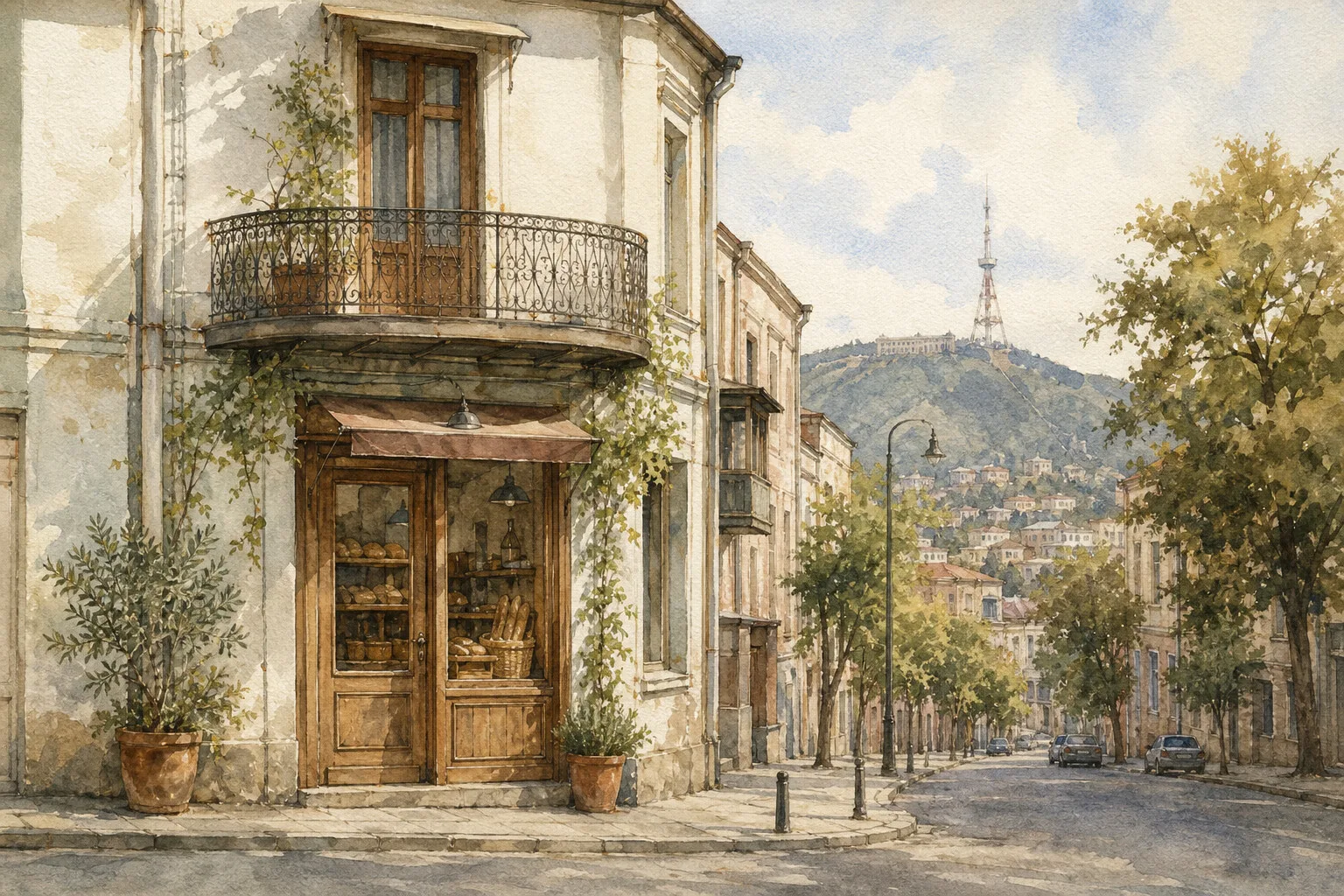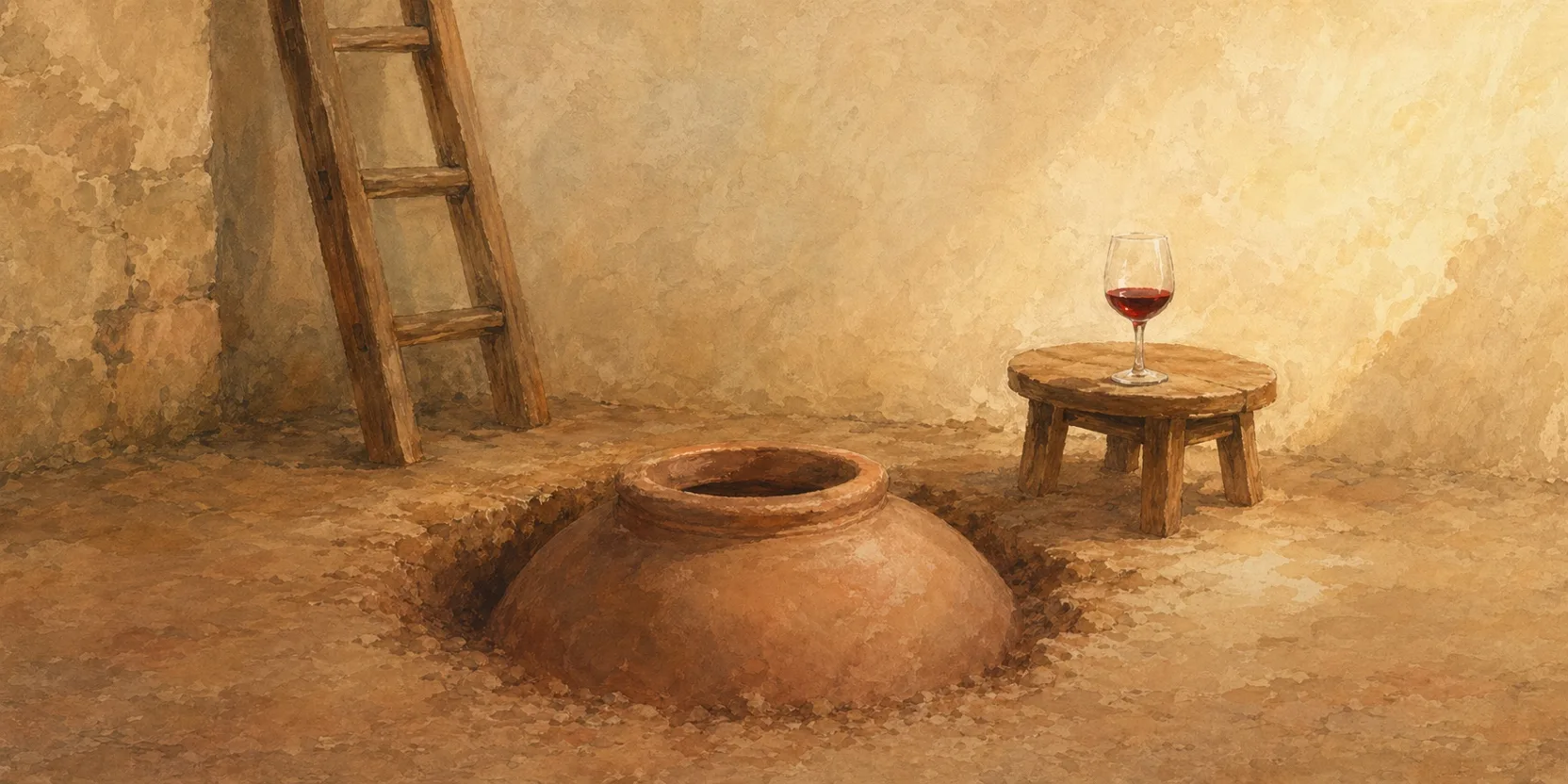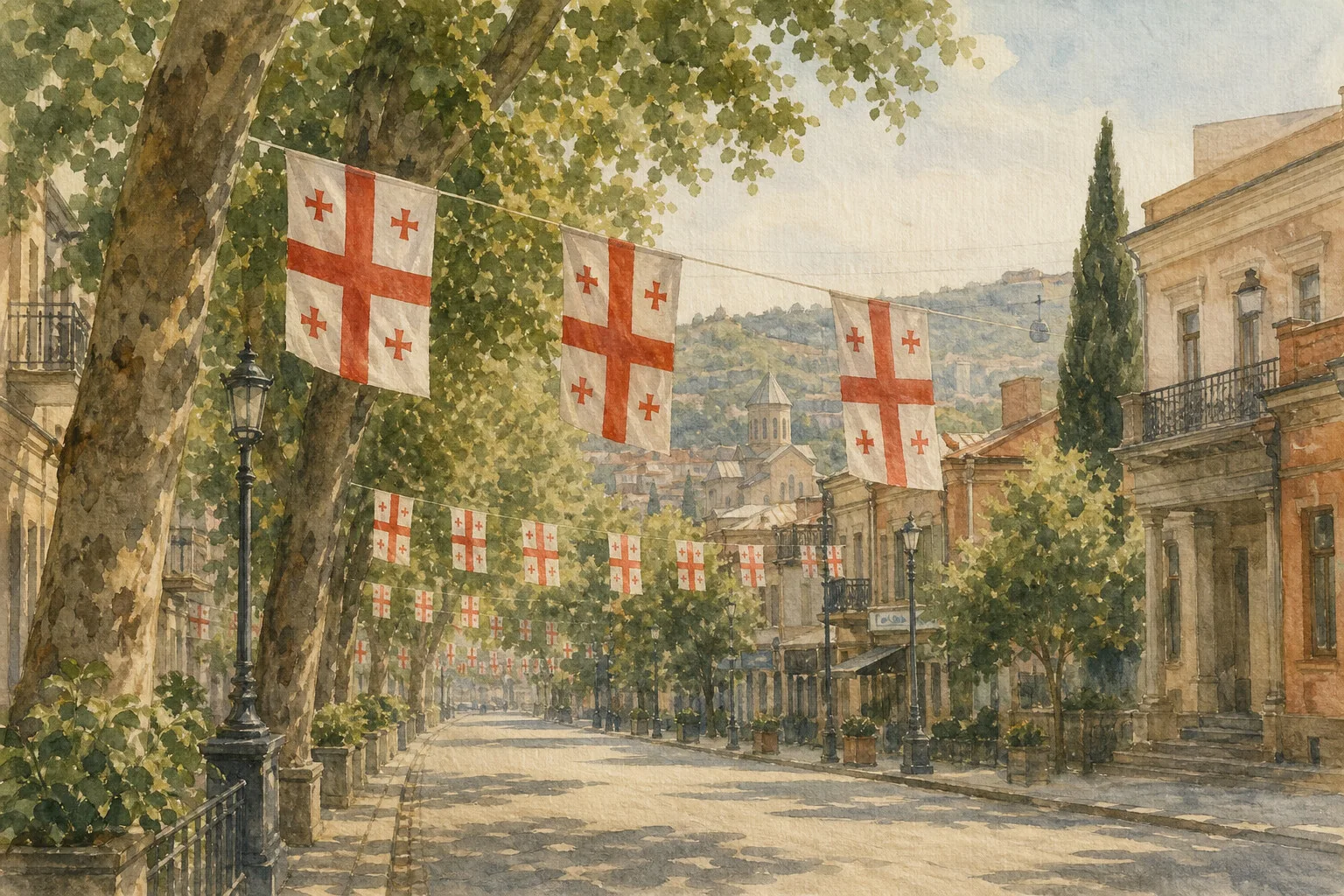



I moved to Tbilisi in 2021. Five years on, the city has changed enormously and so have I. This is the practical write-up I wish I’d had when I arrived.
If you’re considering moving here, or already on a flight, or already here and trying to figure out what year three looks like, this is for you.
Who this is for
Tbilisi has a real expat community, but it’s not one community. There are at least four:
- The pre-2022 expats: long-term residents, mixed Western backgrounds, often connected through international companies, embassies, or NGOs. Quieter. Embedded.
- The 2022 wave: Russian, Belarusian, Ukrainian arrivals. Large, internally connected, mostly stays in specific neighborhoods.
- Digital nomads: shorter-term, mostly in Vake and Saburtalo, mostly on freelance income.
- Heritage returnees: Georgian-diaspora kids, often half-Georgian, sometimes fluent already.
The advice below is mostly for the first and third categories: Western foreigners who have come to live, work, and integrate. Most of it applies to the others as well, with adjustments.
Cost of living, honestly
In rough 2026 numbers:
Rent. A decent one-bedroom in Vake or Vera (the most expat-friendly central neighborhoods) is $700 to $1,200 a month, often furnished. A nicer two-bedroom is $1,500 to $2,500. Outside the central districts, rent drops by 30 to 50 percent. Long-term rentals (12 months) are 20 to 30 percent cheaper than monthly Airbnbs.
Groceries. $200 to $400 a month for a single person eating mostly at home. Local produce is excellent and cheap. Imported items are not. A glass of decent Georgian wine in a wine bar runs $4 to $7. A khachapuri runs $3 to $6 depending on the place.
Transport. Tbilisi has a metro (twenty cents a ride), buses, and Bolt taxis (most short rides under $3). Many expats don’t own cars at all. Owning a car becomes useful if you’re traveling outside the city often.
Cafes and dinner out. A good lunch is $5 to $10. A serious dinner with wine for two is $30 to $60. The math is favorable compared to Western Europe. Whether it stays that way is anyone’s guess.
Total monthly burn for a comfortable single life: $1,500 to $2,500. Couples around $2,500 to $4,000. Families more, but Tbilisi is significantly cheaper than most Western capitals across the board.
What surprises people
A few things most arrivals don’t expect:
The infrastructure is good. High-speed internet, working metro, modern banks (Bank of Georgia and TBC are competent and English-friendly), Bolt scooters and taxis everywhere. Tbilisi is not a difficulty mode. It’s a normal modern city with some quirks.
The visa policy is generous. Most Westerners get one year visa-free on arrival. You can renew by leaving and coming back. Setting up a company or getting longer-term residency is bureaucratic but not impossible.
Healthcare is cheap and decent. Private clinics in Tbilisi are excellent and significantly cheaper than the West. A dentist appointment runs $30 to $80. A specialist consult around $40. Many clinics have English-speaking staff.
The weather is real. Summer is hot (35°C+). Winter is cold (down to -5°C and snow). Spring and autumn are short but beautiful. The “Mediterranean climate” framing some expats expect is wrong. Tbilisi is firmly continental.
Russian is everywhere among older Georgians and post-2022 arrivals. English fluency is high among Georgians under 35 in central neighborhoods, but you’ll hear Russian as a fallback lingua franca constantly. This is politically loaded for many Georgians. Using it as a foreigner is sometimes welcome and sometimes not.
Where the city opens up
The honest version: you can live a perfectly fine life in Tbilisi without learning Georgian. You can survive on English in central neighborhoods, you’ll hire English-speaking accountants and lawyers, your favorite cafes will have English menus.
But the city you’ll experience that way is the surface layer. The deeper layer (the regional weekend trips, the host pulling you into his shop’s back room to taste his homemade wine, the neighbor pressing food on you, the supra you don’t understand the toasts at, the casual conversation with the older woman selling grapes from a balcony) opens up much faster if you can speak some Georgian.
This is the actual case for learning the language. Not because you need it. Because you don’t get the second city without it.
A few hundred Georgian phrases is enough to dramatically change your reception. A conversational level is enough to feel at home. Most foreigners who’ve stayed five years and learned the language describe a different country than the one they lived in for the first eighteen months.
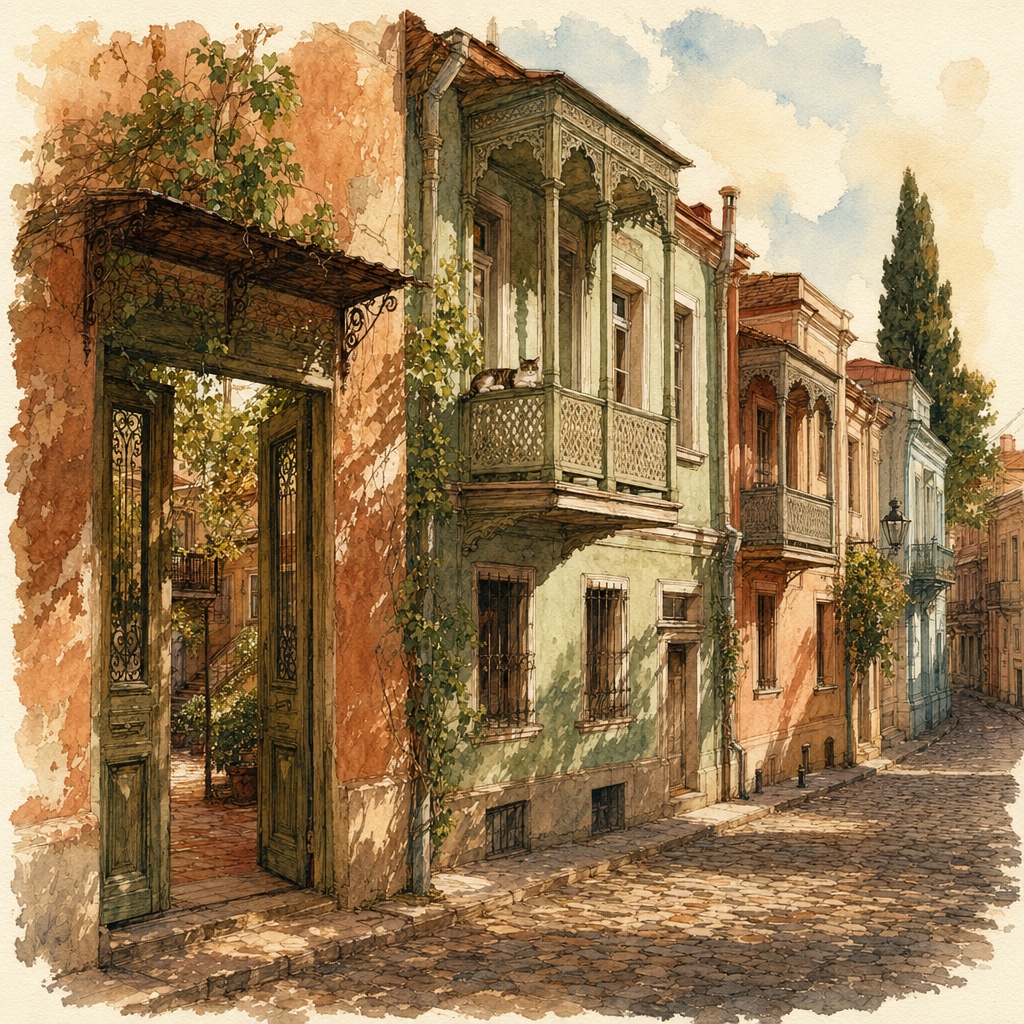
A small Georgian-language note
Phrases that show up in daily life almost immediately:
- gamarjoba / gamarjobat (გამარჯობა / გამარჯობათ), “hello” (informal / polite). Use freely.
- madloba (მადლობა), “thank you.”
- bodishi (ბოდიში), “sorry / excuse me.” Versatile.
- ki / ara (კი / არა), “yes / no.”
- ra ghirs? (რა ღირს?), “how much does it cost?” Markets, taxis.
- aq gaacheret, tu sheidzleba (აქ გააჩერეთ, თუ შეიძლება), “stop here, please.” For taxi drivers and marshrutka drivers.
- me jer ar vlap’arak’ob kartulad (მე ჯერ არ ვლაპარაკობ ქართულად), “I don’t speak Georgian yet.” The jer (“yet”) matters. It tells the listener you’re trying.
The ones that get you the warmest reception are the ones that show effort. Tu sheidzleba tacked onto any request transforms it from a tourist demand into a polite Georgian one. Didi madloba instead of madloba signals genuine warmth.
The honest summary
Tbilisi in 2026 is one of the better deals in Europe for a Western foreigner. Affordable, livable, beautiful, full of good food, generously visa-friendly, with a real cultural depth that you can spend years getting to know.
The two things that change a Tbilisi life from “okay” to “good”: getting out of the central expat bubble (live in Vera or Sololaki rather than Vake. Make Georgian friends. Travel the regions on weekends) and learning Georgian to a level where you can hold a conversation. Both are doable. Both compound.
I came here for a year. I’ve stayed five and I’m not going anywhere.